


Garden Designers
Garden & Landscape Design
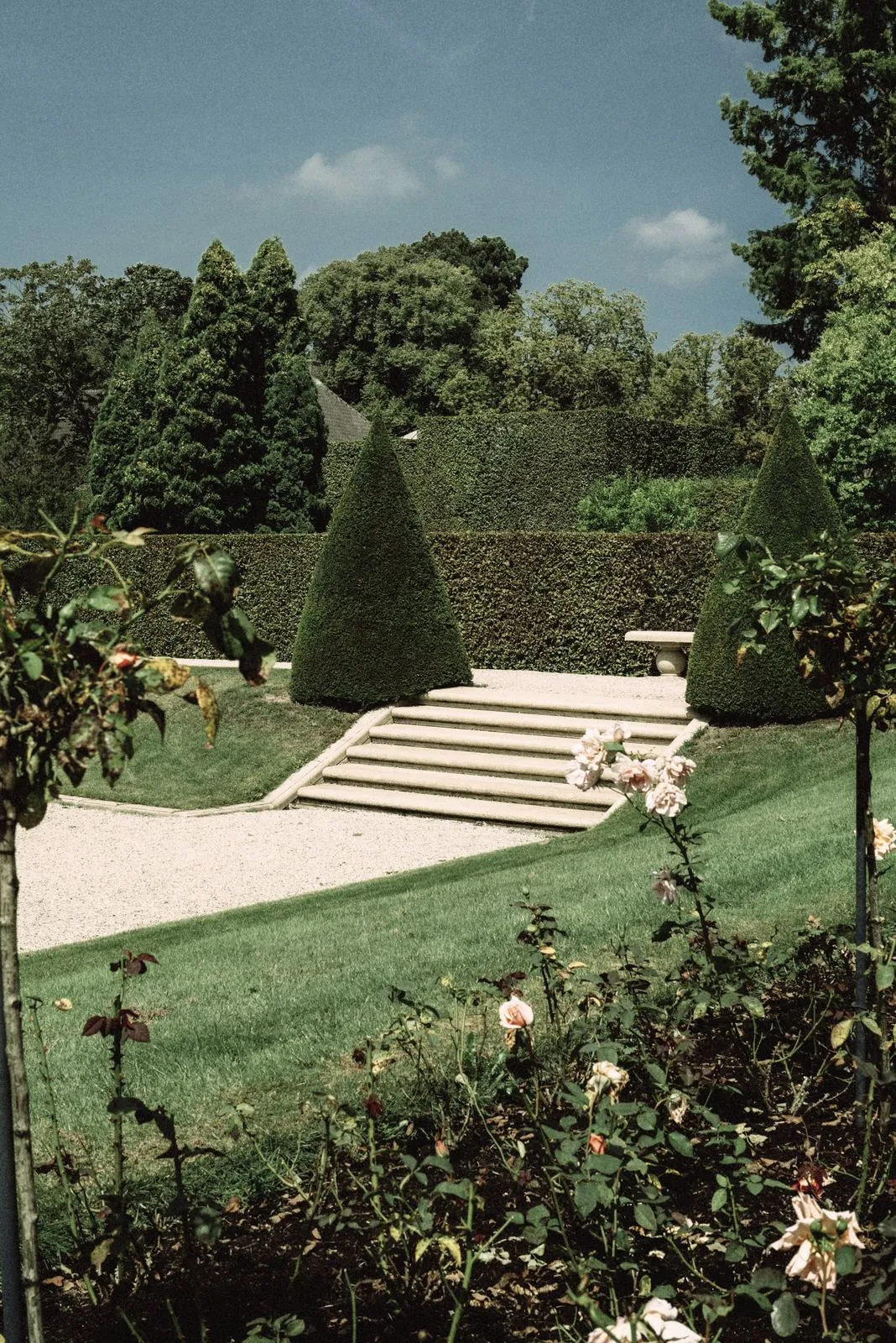
Gardens, terraces and courtyards conceived as a continuation of the home. As garden and landscape designers, we develop layout, planting and materials with you and draw them before any work begins.
What a design includes
- A survey of the garden: its light, levels, soil and boundaries
- A layout plan for paths, terraces, lawns and planting
- A planting plan suited to the aspect and the way you use the garden
- Material selection: natural stone, gravel, timber and metalwork
- Lighting and furniture positions, considered from inside the house
- A clear specification, ready for our landscape team to build
Designed from the house outwards
A London garden is seen from the house far more often than it is walked through. We design with the views from the main rooms in mind, align paving and planting with the architecture, and choose materials that sit naturally beside the interior.
Small gardens, courtyards and roof terraces
Most London gardens are narrow, overlooked or on more than one level. We design small gardens and courtyards to feel larger through clear lines, layered planting and light, and roof terraces around weight, wind and privacy, with structural matters confirmed by an independent engineer.
One studio from drawing to planting
Because the same studio designs and builds, the drawing and the finished garden match. There is no hand-over between a designer and a separate contractor, and the decisions made on paper are carried through on site.
Questions
- Do you also build the garden?
- Yes. Our landscape team builds every garden we design. See Landscape Build.
- Do you design small courtyards and roof terraces?
- Yes. Many London gardens are compact, and in a small space layout, planting and light matter most. Where a roof or terrace needs structural advice, it is provided by an independent engineer before we begin.
- When is the best time to start?
- Design can begin at any time of year. Planting is best carried out in autumn or spring, and we plan the programme around it.
Other services
Interior Decoration
Your scheme, realised exactly. Specialist paint and plaster finishes, flooring, tiling, stone and joinery, delivered to the drawings and specification of you or your designer.
Landscape Build
Precise execution outdoors: natural stone paving, terraces, decking, pergolas and structural planting, built to the same standard as the interior.
Designer Partnerships
A discreet execution partner for interior and garden designers. We deliver your scheme on site, to your specification, under your direction.